Protection first
Floors, furnishings, fixtures, and openings are covered and masked before anything else happens. The work area is defined, contained, and reset at the end of every day.

Interior Painting
Thoughtful preparation, organized crews, and refined finishes for the spaces you live in every day.
Service scope
Living rooms, family rooms, and the walls and ceilings you look at every day.
Clean lines around cabinetry, backsplashes, and the busiest rooms in the house.
Casings, base, crown, doors, and the details that make a repaint look finished.
A sequenced plan that keeps the household livable while every room gets done.
High walls, railings, and the awkward reaches most painters rush.
Basements and lower levels finished to the same standard as the main floor.
What the service includes
Interior work is scoped at the walkthrough and written into your proposal: the rooms, the surfaces, the preparation plan, and the products. You approve the scope before the schedule is set.
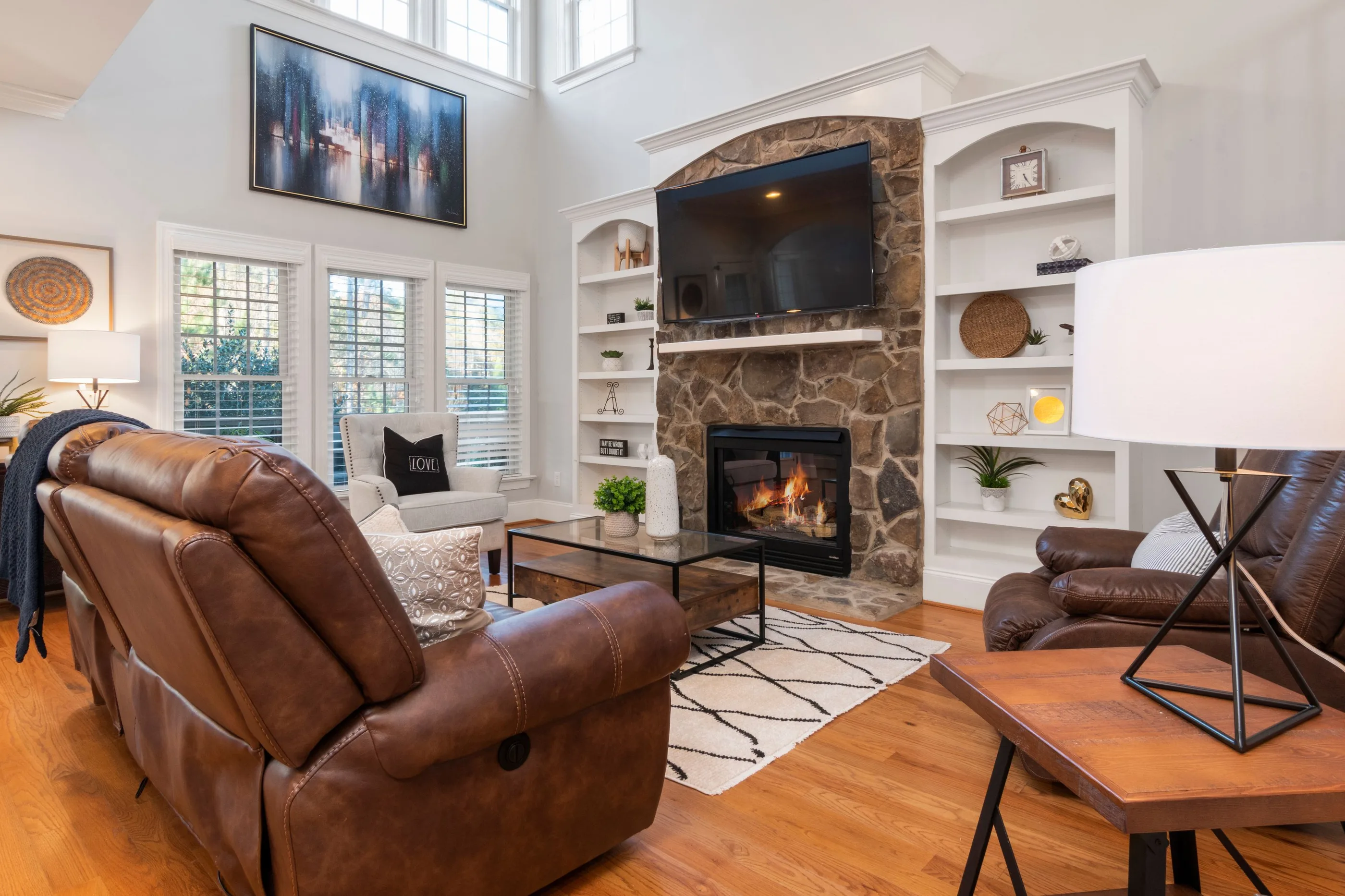
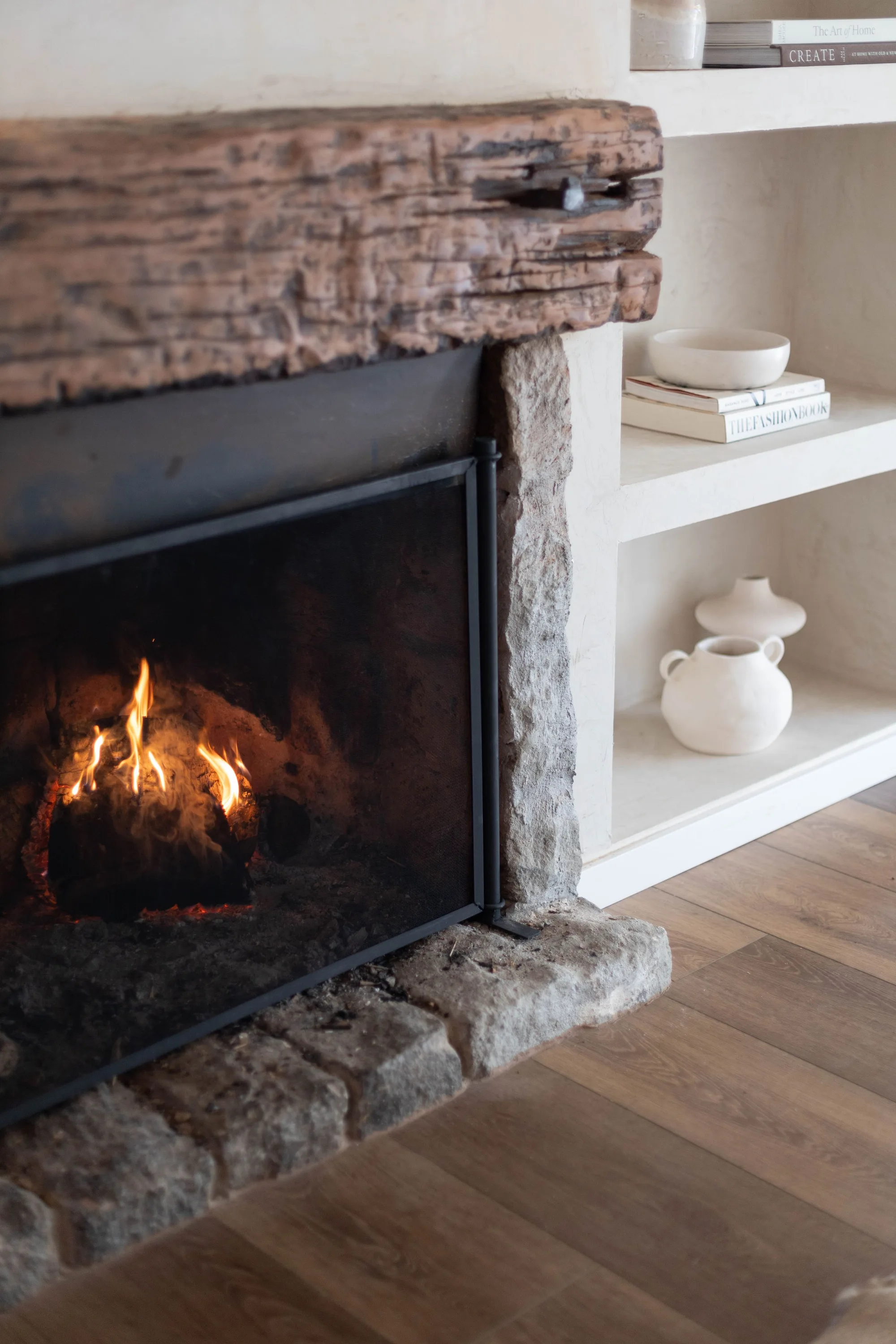
Floors, furnishings, and fixtures are covered before work begins, and the work area stays organized.
Rooms are completed in a planned order so the household keeps functioning through the project.
Cut lines, trim, and touch-ups are inspected before you are ever asked to sign off.
See the difference

Production, in order
Interior painting fails in the shortcuts you never see. This is the sequence behind every crisp line and even wall, and every step of it is scoped in your proposal before a drop cloth is unrolled.
Floors, furnishings, fixtures, and openings are covered and masked before anything else happens. The work area is defined, contained, and reset at the end of every day.
Nail pops, dings, and hairline cracks are patched and sanded. Failing caulk is cut out and re-run. Glossy surfaces are scuffed so the new coat has something to grip.
Patches, stains, raw drywall, and color-blocking situations get primed, not painted over. Priming is targeted by condition, and the proposal says where.
Crisp cut lines at ceilings, corners, and trim, with walls rolled in even, wet-edge passes. Between-coat sanding on trim keeps enamel glass-smooth.
The crew inspects its own lines, coverage, and touch-ups first. Then the walkthrough happens with you, in good light, before the project is called done.
Finish selection
The same color behaves differently at every sheen level. Higher sheen wipes clean and survives fingerprints; lower sheen hides surface imperfections and keeps light soft. The estimator walks the sheen map with you room by room, and your proposal records every selection.
Ceilings and formal walls where texture flaws would telegraph through anything shinier.
Eggshell and satin balance washability with a soft, furniture-grade look for the rooms you live in.
Semi-gloss enamel on casings, base, and doors is the contrast line that makes a repaint look finished.
Worth a walkthrough
Most interiors do not fail loudly. They fade, scuff, and slowly stop matching how you live. If more than one of these sounds familiar, the walkthrough will tell you exactly what a repaint involves.
When cleaning starts burnishing the finish instead of cleaning it, the paint film is done.
Old touch-ups that show at an angle mean the wall needs a full recoat, not more dabbing.
Seasonal movement telegraphs through paint. Patching and repainting resets the surface.
Aging enamel shifts color. Fresh semi-gloss trim is the fastest way to make a whole room read clean.
Palettes age. Walls are the largest surface in the house and the least expensive one to change.
Fresh, neutral, professionally applied paint is the highest-leverage prep money in residential real estate.
Straight answers
Walls, ceilings, trim, doors, stairways, and finished lower levels, from a single substantial room to a whole-home repaint. The walkthrough defines the exact scope for your proposal.
Your proposal spells out what the homeowner moves, what the crew repositions, and what gets protected in place, so there are no surprises on day one.
It depends on the condition of the surfaces. Cleaning, patching, sanding, caulking, spot priming, and masking are scoped as needed and written into the proposal.
Yes. The estimator can talk through color direction during the walkthrough, and selections are confirmed before production so the schedule never stalls on a decision.
Floors, furnishings, and fixtures are covered and masked, work areas stay organized, and the crew cleans up daily. Protection is part of the production plan, not a courtesy.
It depends on scope, surface condition, and drying time between coats. Your proposal includes the expected duration for your specific project, and you get updates as the work progresses.
Yes. Existing colors can be matched and confirmed with a sample on your actual wall before production, so the touch-in disappears instead of flashing.
Usually not. Rooms are sequenced so the household keeps functioning, and the crew coordinates access, ventilation, and daily wrap-up around how you live.
As a starting point: flat for ceilings, eggshell or satin for living spaces, and semi-gloss enamel for trim and doors. The estimator walks the sheen map with you and your proposal records every selection.
The exact products are named in your written proposal, selected for the surface and the room. If low-odor or low-VOC products matter for your household, tell the estimator and the proposal is built accordingly.
Start with a walkthrough
Tell us what you are considering. We will schedule a walkthrough, clarify the scope, and put a detailed proposal in writing.